How to write a credit risk analyst CV
A CV, also called a resume in many job adverts, should explain the experience you can truthfully bring to this role.
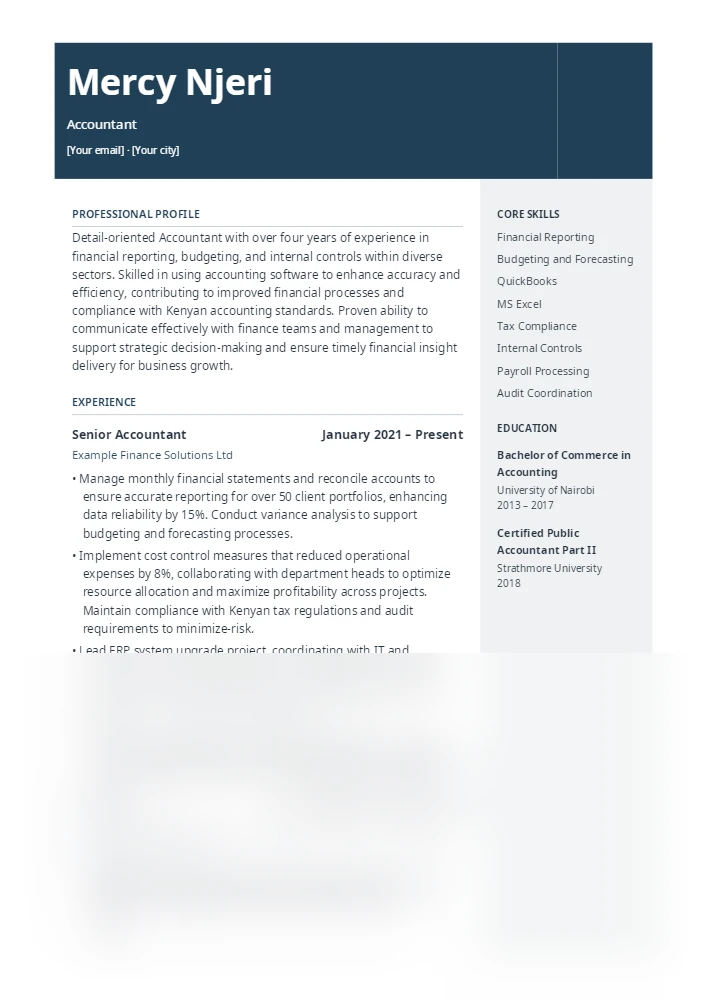
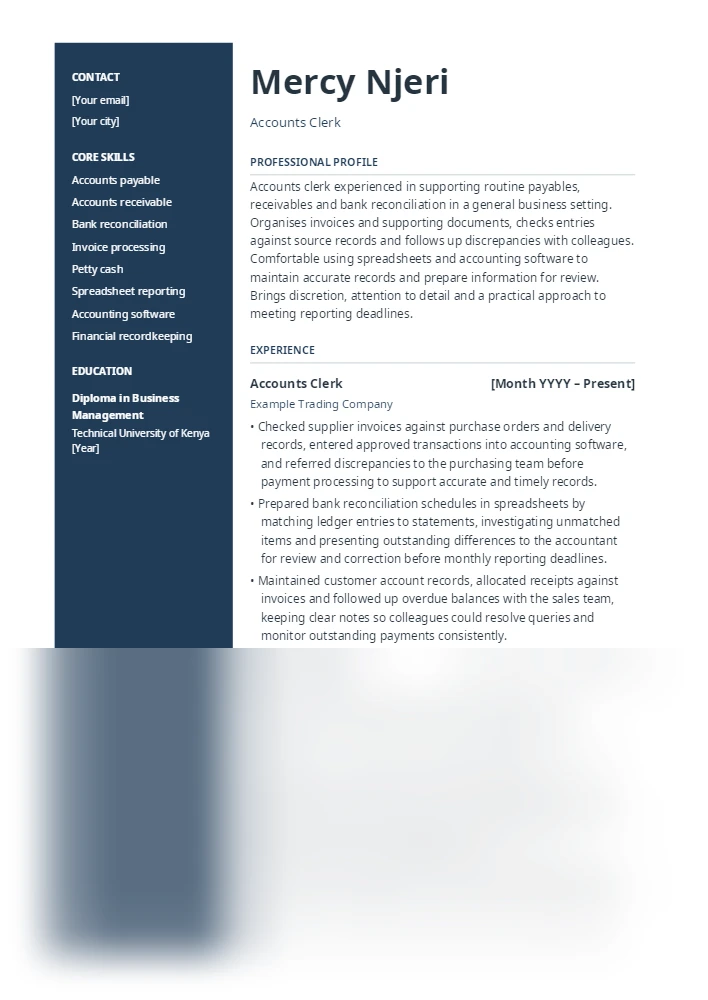
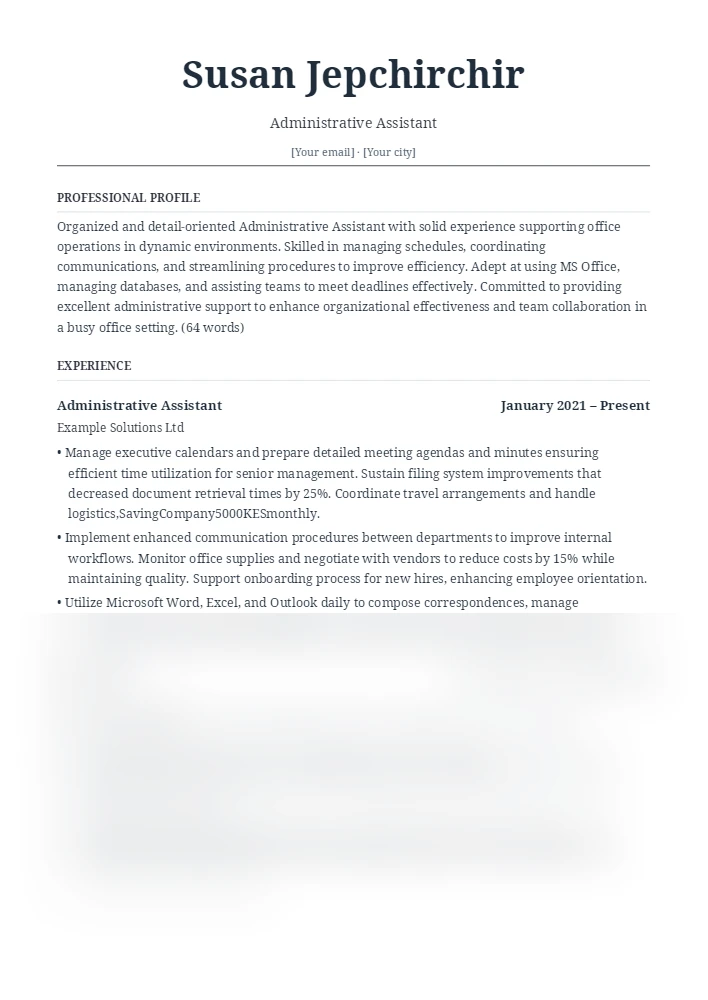
A credit risk analyst CV should show how you assess borrowers, interpret financial information and communicate risks to decision makers. Useful evidence can include lending assessments, portfolio monitoring, data checks and clear recommendations, with the tools and context behind your work. This fictional example suits a jobseeker with experience in lending or financial services who wants to present both analytical and reporting responsibilities. It illustrates a possible career history rather than a real applicant's record; the employers and duties are invented, and the education entry is unverified sample data. Adapt the emphasis to the employer's products and the responsibilities in the actual advert.
Replace the fictional employers, roles, duties and dates with your own verified experience. Substitute genuine qualifications and institutions for the illustrative education entry, and include only tools you can use confidently. If you add metrics, use figures you can explain and describe what you contributed; any sample figures would be illustrations, not your results. Match your examples to the advertised lending products, analytical tasks and reporting requirements without copying the advert mechanically. If your experience is limited, use relevant coursework, a placement or a volunteer project, clearly labelled, to demonstrate financial analysis and careful handling of data.
Write a relevant professional profile
Open with your actual experience level and the lending environment you know, such as consumer, small business or corporate credit. Select two or three strengths that match the advert, for example cash flow analysis, arrears monitoring or portfolio reporting. Mention a relevant tool only if you can discuss how you used it. End with the contribution you make to informed, well documented credit decisions rather than an unsupported claim about eliminating risk.
Credit risk analyst with experience reviewing business and individual lending applications in a financial services setting. Skilled in financial statement analysis, cash flow assessment and portfolio reporting using Exce…
Illustrative wording from the fictional sample. Use your own facts.Present your experience and achievements
- Describe the types of applications you reviewed and the evidence examined, such as financial statements, income records or repayment history. Explain how your assessment informed a recommendation or further review.
- For portfolio monitoring, identify the data sources and trends you tracked, such as arrears movements or exposure by segment. Describe how you checked the figures and communicated findings to colleagues.
- Show your practical use of Excel, SQL or another genuine tool by explaining a task it supported, such as reconciling reports or analysing cash flows, rather than listing software alone.
- Clarify your role in the approval process and give an example of resolving missing information or escalating a concern. Protect customer confidentiality and avoid implying authority you did not hold.
For each role, show the employer, job title and dates accurately. Distinguish employment from attachments, volunteering and coursework. Use numbers only when you can support them.
Skills to consider for this role
Select skills you can demonstrate and match them to the employer’s advert. Explain important skills through examples of your work.
- Credit analysis
- Financial statement analysis
- Cash flow assessment
- Portfolio monitoring
- Arrears analysis
- Excel
- SQL
- Credit reporting
Organise your education and training
List your genuine qualification, institution and completion date or expected completion date. Relevant study might include finance, accounting, economics, statistics or another subject that developed analytical skills; choose what accurately reflects your background. Add pertinent training in credit analysis, financial modelling or data tools if it supports the vacancy. Include professional credentials only when genuine and current, and check the advert for any qualifications or memberships the employer specifically requires.
List qualifications and licences you actually hold, using the correct institution and award names. Check any professional registration requirements in the specific advert.
Common mistakes to avoid
- Claiming responsibility for approving loans when you only prepared assessments can misrepresent your authority and make your experience difficult to explain.
- Listing financial ratios without showing how you interpreted them for a borrower or portfolio leaves the reader uncertain about your analytical contribution.
- Including customer names, account details or confidential lending figures exposes sensitive information; describe the work using an appropriate anonymised example instead.
- Copying the fictional employer names or education entry into your own CV presents invented experience or credentials as if they were verified.
Make this CV relevant to your application
- Explain whether your assessments concerned individual borrowers, businesses or a portfolio so readers can understand the scale and context of your work.
- Describe how you tested repayment capacity, such as reviewing cash flows and existing obligations, rather than merely stating that you assessed risk.
- Name the spreadsheet, database or reporting tools you used and explain how they supported a credit decision or monitoring task.
- Show how you checked inconsistent borrower information and escalated unresolved issues without disclosing confidential customer or account details.
- Where relevant, distinguish recommendations you prepared from lending decisions made by an authorised committee or manager, accurately reflecting your responsibility.
Before you send your CV
- Check that every employer, role, qualification and date reflects your own history and supporting records.
- Confirm that each named analytical tool is one you can use and discuss with confidence.
- Review your examples for confidential customer information and remove identifying details before submitting your CV.
- Compare your evidence with the advertised lending products, reporting duties and any stated credential requirements.
Follow the employer’s requested file format, filename, reference, application channel and deadline. Check that the document opens correctly and contains readable text. No template guarantees an applicant tracking system result.
Credit Risk Analyst CV questions
How can I demonstrate credit risk skills with limited experience?
Use a clearly labelled academic project, placement or volunteer role that involved financial analysis, data checking or written recommendations. Explain the information you examined, the method you used and what you learned or delivered. Do not describe a classroom exercise as an actual lending decision, and avoid presenting simulated borrower data as real customer experience.
Which evidence helps demonstrate my credit analysis and reporting skills?
Choose examples that connect your analysis to a practical purpose. You might describe assessing cash flow, investigating an inconsistency or preparing an arrears report for review. Name the tools and explain your contribution, while keeping customer information confidential. A credible result is useful when available, but a clear description of the work is also valuable.
How should I adapt this fictional sample to a vacancy?
Start with the advert's products, responsibilities and required skills, then select truthful examples from your own background that address them. Replace every fictional employer, date and qualification with your actual details. Adjust the summary and evidence to reflect your experience level, and leave out tools or credentials you cannot substantiate.
Make the sample your own
Use the structure as a guide, then replace the sample contact details, career history, qualifications and achievements. Keep the finished CV consistent with your cover letter and the employer’s advert.
Fictional CV example. Published . Updated .